

Dear Valued Client,
October made one thing clear. The Visayas supply problem is no longer a hot-summer event that passes in a few weeks. The Department of Energy now expects it to last for years.
At the Cebu Energy Summit on October 12, Energy Secretary Sharon Garin warned that the Visayas grid could face red alerts through 2028. About 300 MW of power barges are targeted for the first quarter of 2027, and about 250 MW of battery storage is planned across Iloilo, Bohol, Leyte and Cebu. The Secretary said these will contain the shortages, not end them. New 500 MW gas plants in Cebu and Panay are not expected to deliver power until 2028 to 2030.
The grid confirmed the warning within two weeks. On October 23, NGCP raised red and yellow alerts for the Visayas, projecting a 151 MW shortfall with over 600 MW of capacity unavailable. The shutdowns of several units, and limited imports from Mindanao, were the main causes of stress.
Luzon was calmer, but costs still rose. Meralco's October rate increased to PHP 15.06/kWh, driven by a PHP 0.50/kWh rise in generation charges. Meralco cited higher natural gas prices from the Middle East conflict and a weaker peso. With inflation at 7.2% in September and El Niño expected for the next year, budgets have less room for surprises.
Our message has not changed, but the case for it has grown stronger. Hedging does not remove the price of power. It removes the surprise. A firm that fixes part of its exposure ahead of time knows its cost or revenue before the month begins, whatever the spot market does.
The practical approach is to layer. Physical supply contracts provide the base. Spot participation keeps flexibility. Forward hedges on GTM fix the price on the part of the exposure that would otherwise float. Each layer reduces risk, and together they turn a volatile cost into a manageable one.
Interested in learning more about how to improve supply/demand balance forecasting?
What we are seeing on the platform
Buyers are paying up to lock in 2027 and 2028, and sellers are scarce.
A new high on the two-year strip. On November 5, the Luzon Cal 27–28 baseload strip traded just shy of PHP 6,000/MWh. This is the highest price yet for that contract.
Bids keep climbing. The best bid on the Luzon Cal 27–28 strip has risen by PHP 1,200/MWh in five months
Elevated forward prices are bringing different hedging priorities into focus. Generators are layering in hedges to secure higher selling prices, while consumers are seeking cost certainty and protection against further increases should the Middle East conflict keep upward pressure on the curve. Participation remains strong, with both sides pursuing the same goal: greater predictability in an uncertain market.
Live pricing levels:
A quoted price is a starting point, not the full market picture. Speak with our desk for current pricing, active orders, and selected hedging opportunities. We’ll help you understand what’s available and how it fits your exposure, so your next decision is grounded in the market as it stands today.
Meet with a GTM Risk Management Specialist
In a quick phone call we can help stabilize your future.
What this means for you
Fuel and weather are now pushing Philippine power prices in the same direction. Asian LNG is trading at about three times its pre-war level, coal is near a three-year high, and PAGASA now says a very strong El Niño will last into the first half of 2027. Against that, a diplomatic breakthrough in the Gulf, returning Visayas plants and more solar could bring prices down quickly. When the risks are this large in both directions, hedging part of your exposure is how you stop guessing.
Bullish factors
Gas is still scarce. The Japan-Korea Marker was about USD 31.8/MMBtu on November 3–4, against about USD 10.40 before the war. QatarEnergy has extended force majeure to at least the end of December, and the IEA warns the tightness could last into 2027.
Coal has followed gas higher. Newcastle coal reached USD 150/tonne in mid-October, up about 40% since January, as Asian utilities switched from LNG to coal. Indonesia, the largest exporter, has cut its production target.
A very strong El Niño is here. PAGASA expects it to peak around year-end and persist through the first half of 2027. Hotter weather raises cooling demand, and below-normal rainfall reduces hydro output just before the dry season.
The Visayas shortage is structural. The DOE warns of red alerts through 2028. The planned barges are not expected until the first quarter of 2027, and outages left over 600 MW unavailable in late October.
A weaker peso adds cost. Meralco cited the peso, alongside gas prices, for its October rise in generation charges, because many supply contracts are priced in US dollars.
Bearish factors
Diplomacy could move fuel prices fast. Asian spot LNG fell in late September on hopes of US-Iran talks. A reopening of Hormuz shipping would likely bring LNG and coal down sharply.
Asian buyers are well stocked. Northeast Asia entered winter with healthy inventories, which limits competition for cargoes.
Solar keeps growing. New solar and battery capacity continues to lower midday prices. Our curve already prices Luzon midday at about 0.70 times baseload in 2028.
Domestic gas is back at Ilijan. Malampaya gas resumed supplying the 1,200 MW plant on September 1, which Prime Energy estimates cuts its generation charge by about PHP 0.36/kWh.
Visayas relief is possible. The return of PEDC Unit 3 and KSPC Unit 1, the power barges and about 250 MW of planned batteries would ease the regional premium.
Cooler months are ahead. Luzon demand usually eases from December to February, and the curve reflects it: January and February 2027 settle at PHP 5,100/MWh, against PHP 6,900 in April and May.
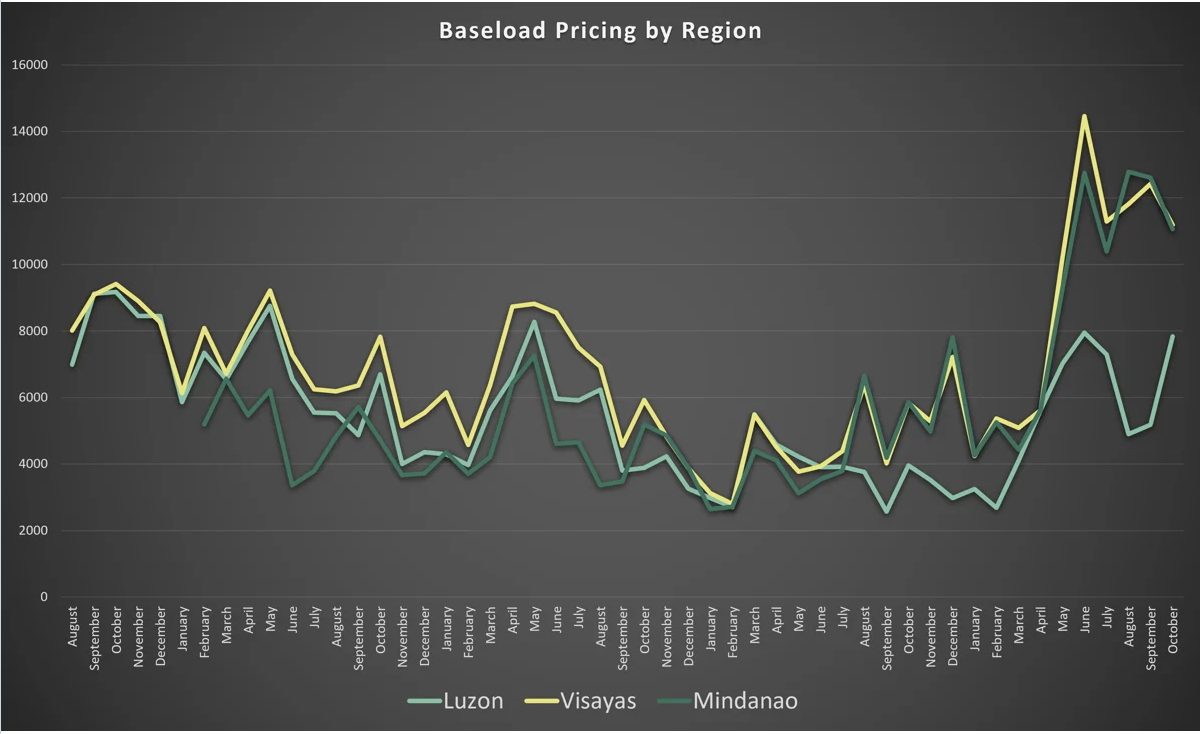
#1 Baseload Prices by Region
This graph highlights the stress that Visayas and Mindanao have been experiencing since the power crisis kicked off. They remain elevated with consumers hoping for cooler weather and for offline plants to restart.
Luzon traded all the up to the highs we saw post Iran news. Visayas and Mindano softened a bit, but remain at astronomical levels.
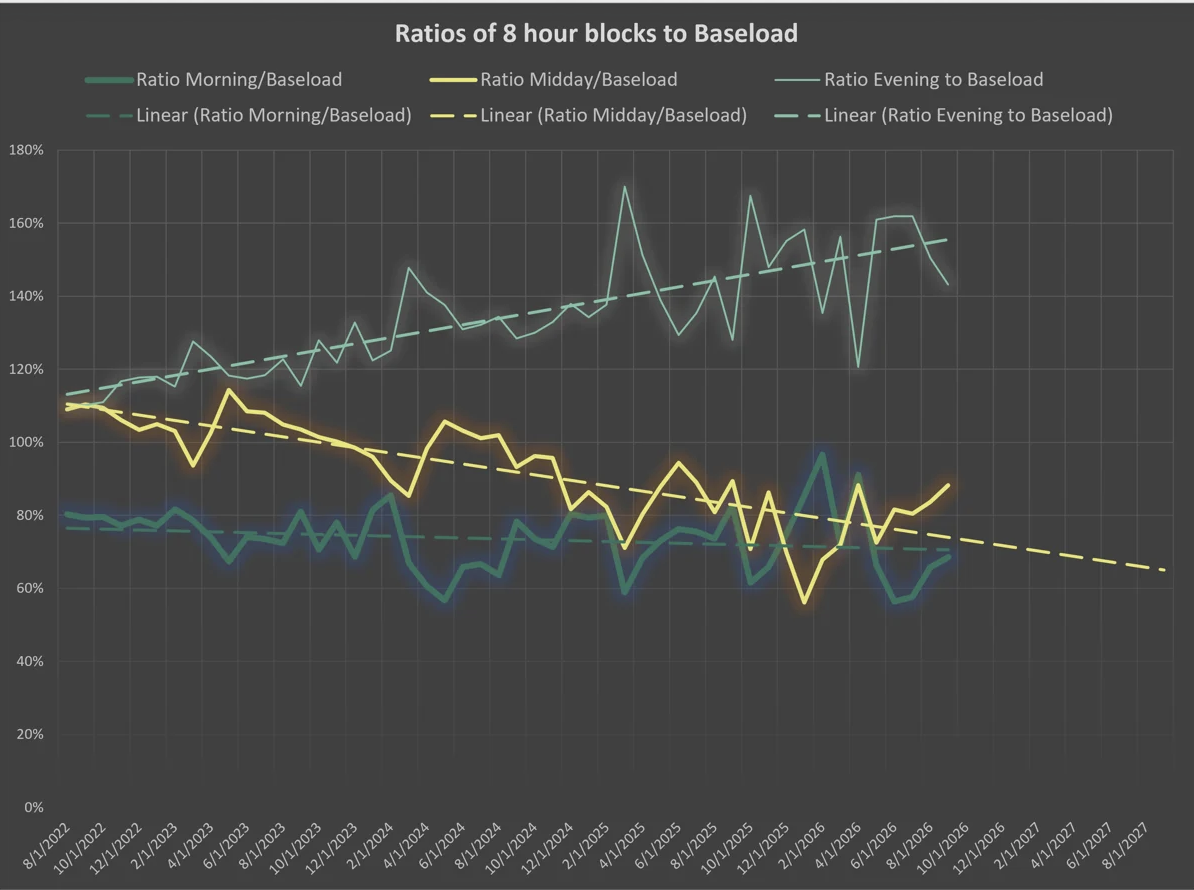
#2 Luzon monthly ratios by product
We were a little surprised to see midday prices perform as well as they did this past month. When the market is tighter though, we tend to see better midday pricing. Morning prices, relative to baseload, rebounded as well. The likely explanation is that higher coal prices, now around $80 for ICI4, are pushing up the offpeak prices where coal is on the margin. Keep an eye out on evening prices though if global LNG prices soften
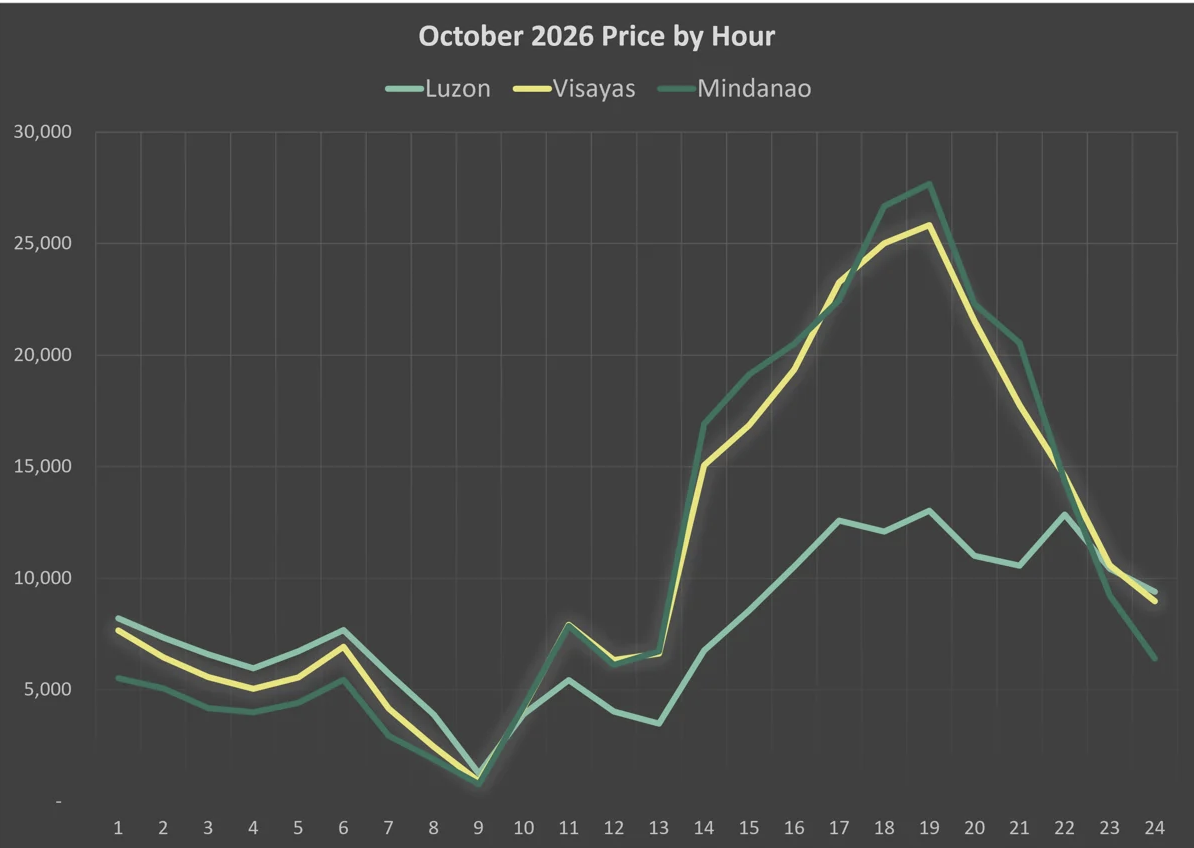
#3 Hourly prices by region
Evening prices remain EXTREMELY strong for both Mindanao and Visayas. Luzon evening prices this past month indicate that domestic gas was on the margin for a large portion of the days.
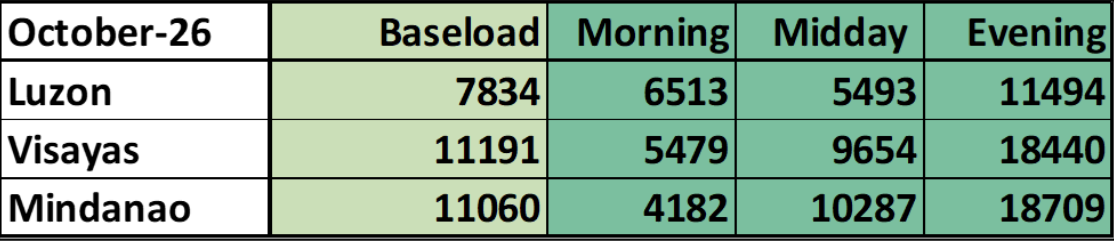
#4 Final settles by segment
Strong pricing in Visayas and Mindanao, more modest in Luzon. An early look into November prices has more of the same, though slightly lower than October in Luzon.
If you are interested in learning more about our data analysis, please don't hesitate to contact us at [email protected].
New Market Participants!
We continue to add market participants and expand the number of approved counterparties for the GTM market.
As a reminder, all market participants must have net assets in excess of SGD$10mm to become approved market participants.
Market News
As per our usual practice, we have incorporated a selection of recent news stories and emerging trends in the PH electricity market. If there are any noteworthy events you would like us to share, kindly inform us! Enjoy!
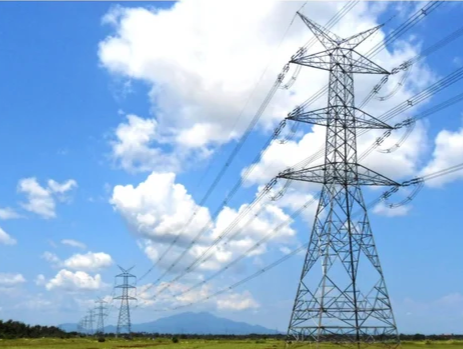
High Prices for the Visayas and Implications for Developers:
Patrick Tan of Aurora Research examines the Visayas.
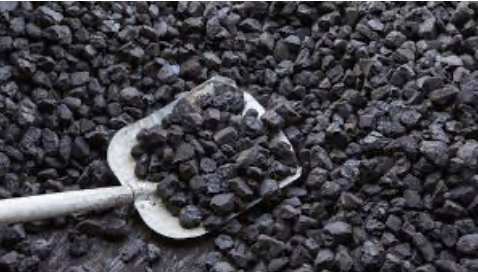
Indonesia Increases Its Coal Production Quotas:
Stronger coal prices could lead to increased Indonesian production quotas.

Argus Power Generation Fuels Market Update - Oct 2026:
See video details here:

Visayas power woes may persist until 2028:
Garin said the region could still face red alerts through 2028, adding that planned power barges, battery storage systems and new generating plants may ease, but not eliminate, the region’s electricity shortages.

ERC OKs 44.72-MW BESS deal:
The agreement covers EAUC’s 44.72-megawatt (MW) battery energy storage.
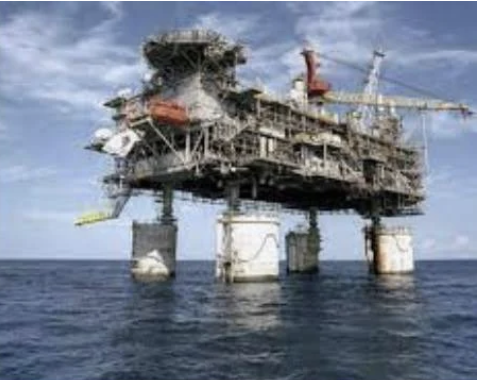
Malampaya 4 first gas renews push for local oil, gas exploration:
The development of two deepwater wells adds an estimated 222 billion cubic feet of natural gas to the country’s resource base.
Coal price outlook:
Newcastle coal futures are staying strong, trading near the highs since the Ukraine spike.
Joining the GTM Marketplace is free.
We highly encourage you to connect with other potential participants who haven't yet joined this thriving marketplace. It's an incredibly efficient way to enhance the liquidity on Green Tiger Markets. If there's a specific company you believe would be a valuable addition to our marketplace, introducing them warmly can truly make a significant impact.
Stay safe and thank you for your business!
-John Knorring, CEO Green Tiger Markets
The views contained in this newsletter are my own opinion and should not be considered investment advice or relied upon to make investment decisions. Disclaimer.
