
Green Tiger Markets: August Electricity Market Review

Dear Valued Client,
August showed us all that Philippine power market risk is becoming increasingly regional.
Systemwide WESM prices rose 11.8% month on month to PHP 9.29/kWh. That number, however, hid a sharp split across the country. Luzon prices fell as demand eased and supply conditions improved. The Visayas and Mindanao grids faced much tighter conditions and record spot prices.
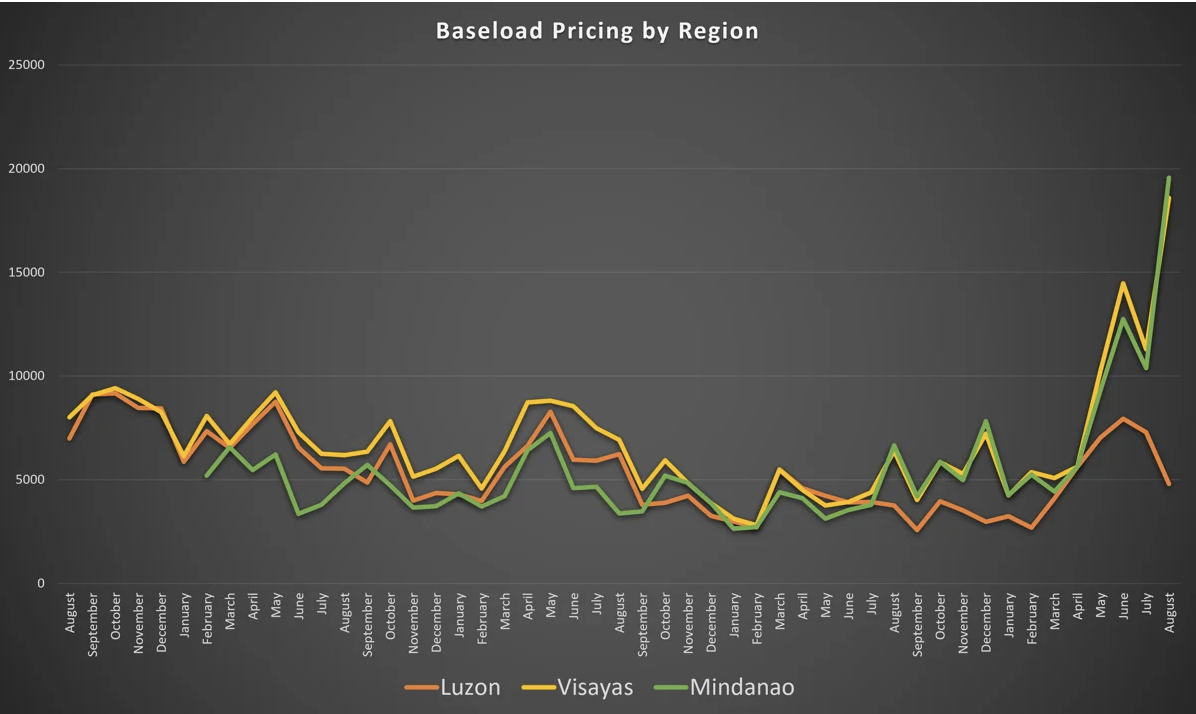
In Luzon, average WESM prices declined 34.2% to PHP 4.80/kWh. In Visayas, prices rose from PHP 11.29/kWh in July to PHP 18.59/kWh in August. Mindanao increased from PHP 10.39/kWh to PHP 19.56/kWh. These were the highest regional averages since WESM began operating.
The increase was not just a fuel story. Plant outages, tight reserve margins, grid alerts, and limited transmission capacity made it difficult for Visayas and Mindanao to access lower cost supply from elsewhere in the system. The Visayas grid recorded 86 hours of Yellow Alert and 53 hours of Red Alert during the August billing period.
For generators, retailers, and large users, the lesson is clear. A portfolio may look manageable at a national level but still carry significant risk in one region. When the local system tightens, spot exposure can quickly affect operating margins, retail charges, and customer budgets.
The ERC responded by applying the WESM Secondary Price Cap on a regional basis, retroactive to the August supply period. ERC estimates suggest that this could reduce the average August WESM price to about PHP 8.47/kWh in Visayas and PHP 8.69/kWh in Mindanao. This should reduce the immediate settlement impact, but it does not eliminate the underlying supply and transmission risks.
The spot market remains valuable because it provides an immediate signal of where the system is tight and what flexibility is worth. But August also showed the risk of leaving spot exposure unmanaged. Regional shortages can last long enough to create material budget and margin pressure.
The practical answer is a layered procurement strategy. Physical supply contracts can provide a foundation. Spot-market participation can preserve operational flexibility. Forward hedges through GTM can establish a more predictable price path for the remaining exposure.
August made clear that Philippine power risk is no longer only about fuel prices or nationwide demand. It is increasingly about regional supply conditions, transmission constraints, and plant availability. GTM can help participants monitor those exposures, structure market-based hedges, and turn uncertain power costs into more manageable outcomes.
Interested in learning more about how to improve supply/demand balance forecasting?
Areas of Focus for Hedging
Forward prices have been creeping higher in Luzon
Significant price appreciation is being observed in Visayas
1 year Baseload Luzon strips starting over the next few months have been in the lower 5's
Two year strips are 5000 bid
Strong desire to sell Midday hours
Cal 27 5000 Bid @ 5500 Offered
We’re seeing a strong, sustained wave of participation, with a broad mix of market participants stepping in to capture value at current forward levels before the next move higher. Generators are layering in hedges to monetize elevated prices, while consumers are locking in protection to limit exposure if the conflict in the Middle East continues to pressure the curve.
Live pricing levels:
In a market moving this quickly, timing matters. The best way to understand what’s actionable right now is to connect with us live. We can give you a real-time desk view of active orders and selected opportunities so you can position ahead of the market’s next move, not react to its last one.
Meet with a GTM Risk Management Specialist
In a quick phone call we can help stabilize your future.
Market Data and Commentary
Philippine power prices are climbing, fueled by a potent mix of elevated fuel costs and extensive outages. At the same time, optimism that a wave of new renewables will arrive quickly enough to push prices materially lower is starting to wane. The stage is set for real volatility—both to the upside and downside—as coal markets, geopolitical tensions, El Niño conditions, and the pace of renewable build-out shape the trajectory of the market through year-end.
Bullish factors
Longer-term energy disruption could keep the market tight and support prices.
Elevated coal prices for the balance of the year would raise marginal generation costs.
A strong El Niño adds upside risk as El Niño conditions are typically hotter and drier than normal, which can increase AC demand and reduce hydro output.
A reversion to strong load growth could keep prices supported.
Bearish factors
The Middle East conflict could end soon, which will put downward pressure on energy prices.
Forward prices moved up 20–25% above pre-conflict levels. Prior to the conflict, the market was fairly heavy and felt oversupplied.
Energy supply-chain disruptions may prove less severe than currently observed.
A significant amount of solar is already energized, and more is expected through year-end.
The CBK hydro complex should be more active, helping balance midday solar surplus against evening deficits.
#1 Baseload Prices by Region
Prices have exploded higher as tight supply margins and hot weather stress the system. Prices observed for Visayas and Mindanao were the highest that we have seen since the switch to 5 minute prices in WESM. Note: Graph does not contain ERC price adjustments for secondary price cap.
#2 Luzon prices by 8hr time block
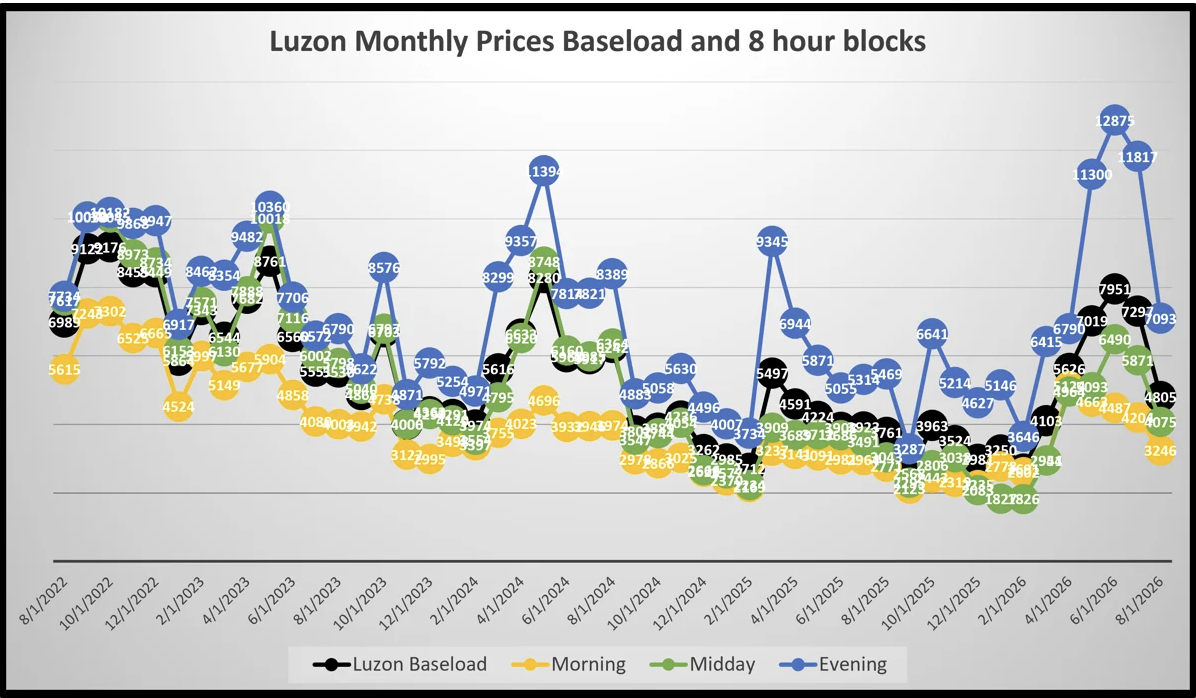
In our second graph below, we have plotted the 8 hour time block contracts as well as Baseload.
Prices retraced lower with evening leading the way to the downside. Midday also converged towards Morning prices.
#3 Luzon monthly ratios by product
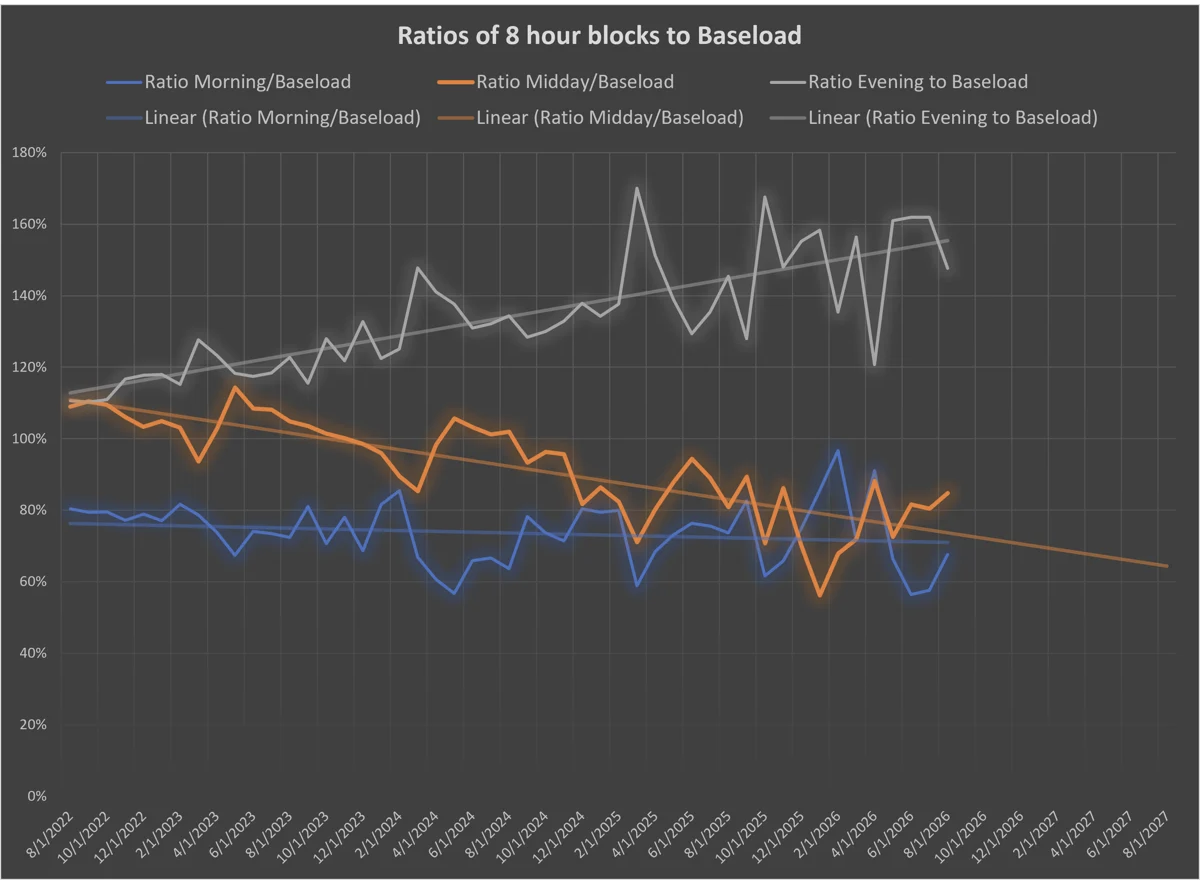
In our third graph below, we have plotted the ratios of the individual 8 hour products to Baseload.
Midday prices, though bouncing from last months levels, still appear to be on a steady decline. Evening price remain robust, a 50-60% premium to Baseload.
#4 Luzon and Visayas Baseload by year
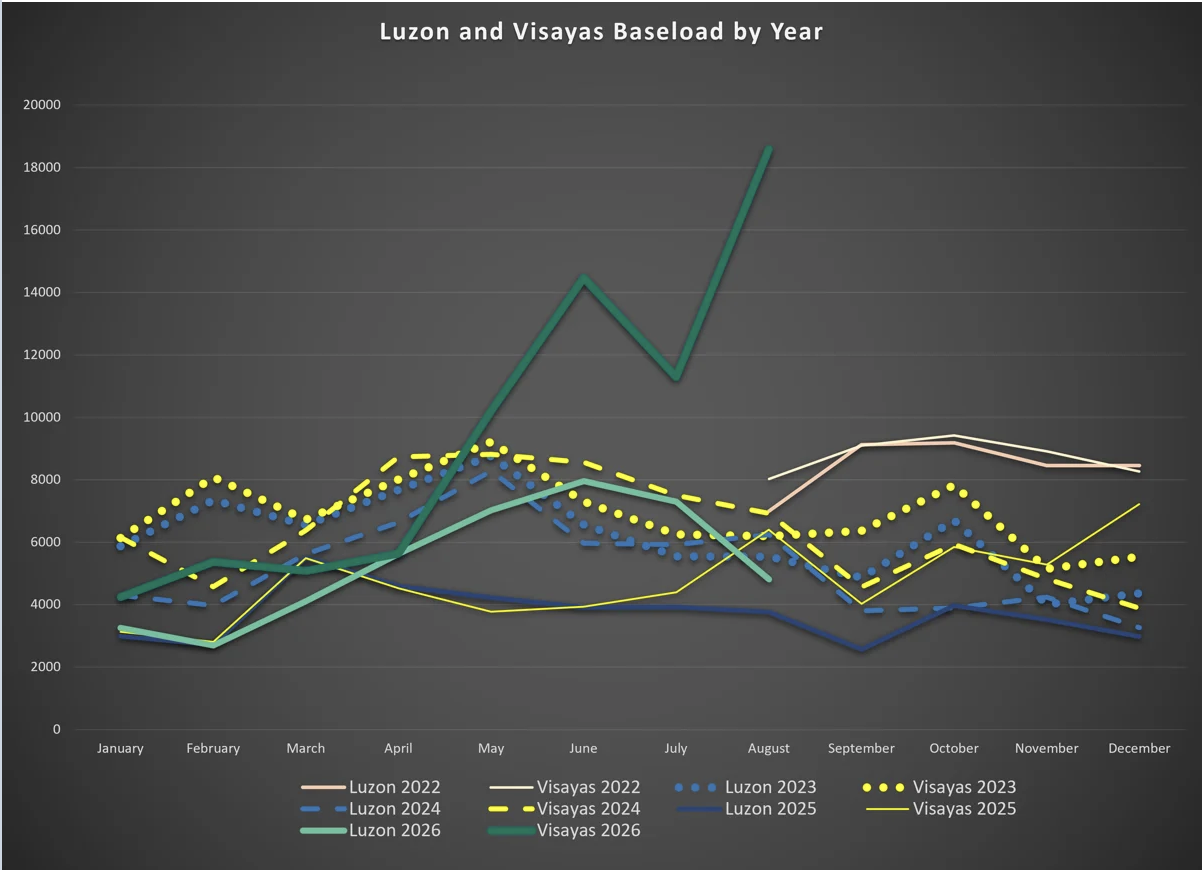
Visayas was the real story this month, clearing over 18 PhP/Mwh before the ERC stepped in. Outages combined with transmission constraints left very few options for the grid.
Luzon, has eased back into a more "normal" range with prices coming in below '23 and '24 but above '25.
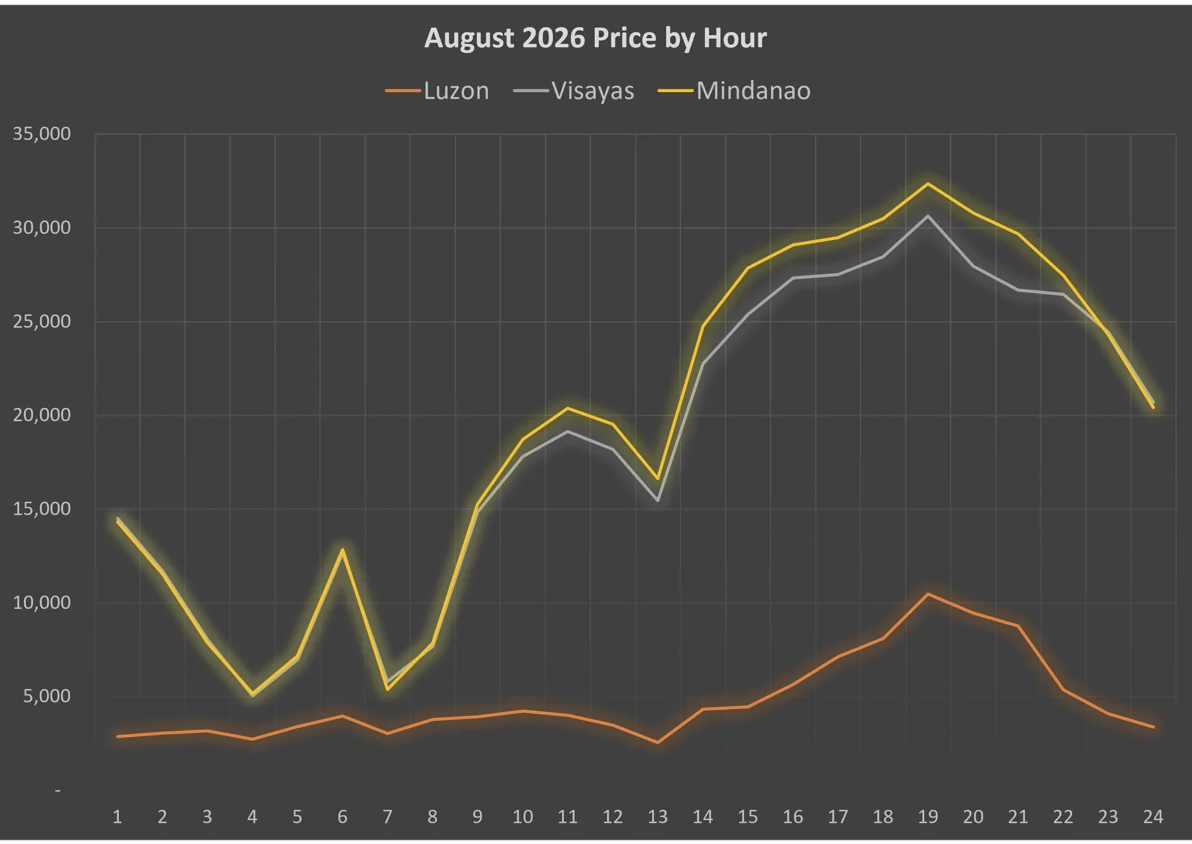
#5 Hourly Prices by Region
Below we have plotted hourly prices by region. Visayas pricing, again, along with Mindanao was something special. Nearly every day cleared the price cap for hour ending 7 pm.
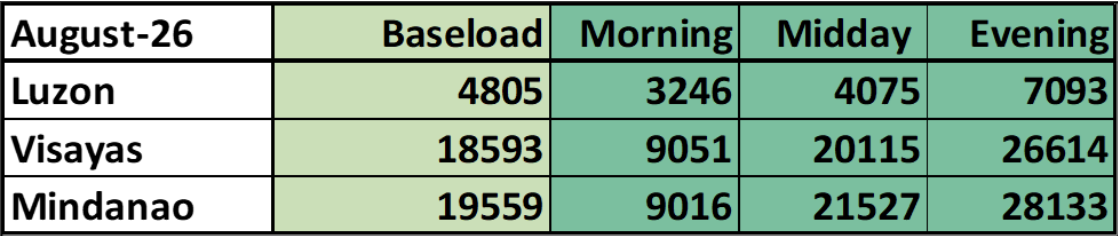
#6 Final settles by segment
Strong pricing in Visayas and Mindanao, more modest in Luzon. An early look into October prices has more of the same.
If you are interested in learning more about our data analysis, please don't hesitate to contact us at [email protected].
New Market Participants!
We continue to add market participants and expand the number of approved counterparties for the GTM market.
As a reminder, all market participants must have net assets in excess of SGD$10mm to become approved market participants.
Market News
As per our usual practice, we have incorporated a selection of recent news stories and emerging trends in the PH electricity market. If there are any noteworthy events you would like us to share, kindly inform us! Enjoy!

ERC orders regional price cap for Visayas, Mindanao, retroactive to August:
Secondary Price Cap in WESM to be applied on a regional basis

Mabuhay Energy says grid constraints limit gains from retail power competition.
Affordable generation cannot reach consumers because of transmission constraints.

Malampaya gas returns to 1,200-MW Ilijan plant, seen cutting power costs:
Prime Energy said could lower generation charges by about PHP 0.36 per kilowatt-hour.

DOE asks PCC, PEMC to review possible power market abuse:
Amidst concerns over possible market abuse during periods of tight power supply and elevated spot prices

TIGHT REGIONAL SUPPLY CONDITIONS PUSHED AUGUST WESM PRICES HIGHER IN VISAYAS AND MINDANAO:
Detailed analysis by IEMOP.
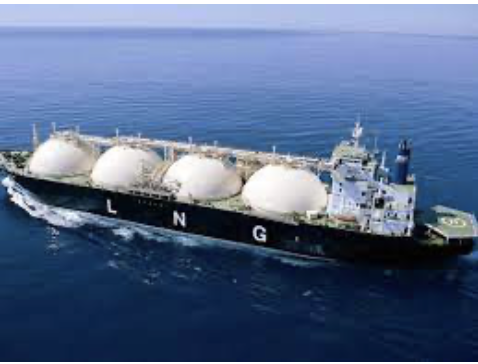
LNG spot price surge deters Asian buyers:
The slump in Asian demand is freeing up cargoes for Europe

Coal price outlook:
Newcastle coal futures are around $145/ton and looking for direction.
Joining the GTM Marketplace is free.
We highly encourage you to connect with other potential participants who haven't yet joined this thriving marketplace. It's an incredibly efficient way to enhance the liquidity on Green Tiger Markets. If there's a specific company you believe would be a valuable addition to our marketplace, introducing them warmly can truly make a significant impact.
Stay safe and thank you for your business!
-John Knorring, CEO Green Tiger Markets
The views contained in this newsletter are my own opinion and should not be considered investment advice or relied upon to make investment decisions. Disclaimer.
